When you think of chocolate, you picture silky smoothness, rich flavor, and that satisfying snap that signals perfection. But imagine that same piece arriving at your doorstep as a gooey puddle of disappointment. Nobody wants that. Shipping chocolate is a delicate dance between temperature control, packaging, and timing. In this guide, we’ll walk through the science, the practical steps, and a few light‑hearted moments that will keep your Secret Santa chocolate as crisp as a freshly opened wrapper.
Understanding Chocolate's Temperature Sensitivity
Why Temperature Matters
Chocolate isn’t just a treat; it’s a temperature‑sensitive confection. When the ambient temperature rises above 32 °F (0 °C), chocolate begins to bloom—tiny white specks that ruin that glossy finish. At 68 °F (20 °C) and above, the fats melt, turning the chocolate into a runny mess. Even a brief exposure to heat can cause the wrapper to loosen, letting in moisture that accelerates spoilage. So, if you’re shipping chocolate, you’re essentially trying to keep a fragile snowflake in a furnace.
Common Temperature Pitfalls
- Ambient Heat: Long transit times in hot climates can raise internal temperatures rapidly. Handling: Frequent opening of packaging during transit can introduce warm air. Inadequate Insulation: Relying solely on cardboard boxes leaves chocolate exposed to environmental swings.
Packaging the Perfect Chill
Insulation Materials That Work
The first line of defense is insulation. Think of it as a cozy blanket that keeps the chocolate snug and protected.
- Foam Insulation: Lightweight and highly effective at blocking heat transfer. Thermo‑Regulating Inserts: These expand when warm, creating a tighter seal. Recycled Paper Rolls: An eco‑friendly option that still provides decent insulation.
Choosing the Right Ice Packs
Ice packs are the heart of the cooling system. But not all ice packs are created equal.
- Reusable Gel Packs: Stay cold for up to 12 hours and can be pre‑frozen. Dry Ice: Ideal for long‑haul shipping but requires careful handling and proper labeling. Coolant Strips: Thin, flexible, and perfect for tight spaces.
**Tip: Use a mix of gel packs and dry ice if the journey exceeds 24 hours.
Sealing the Deal
A well‑sealed package is like a fortress.
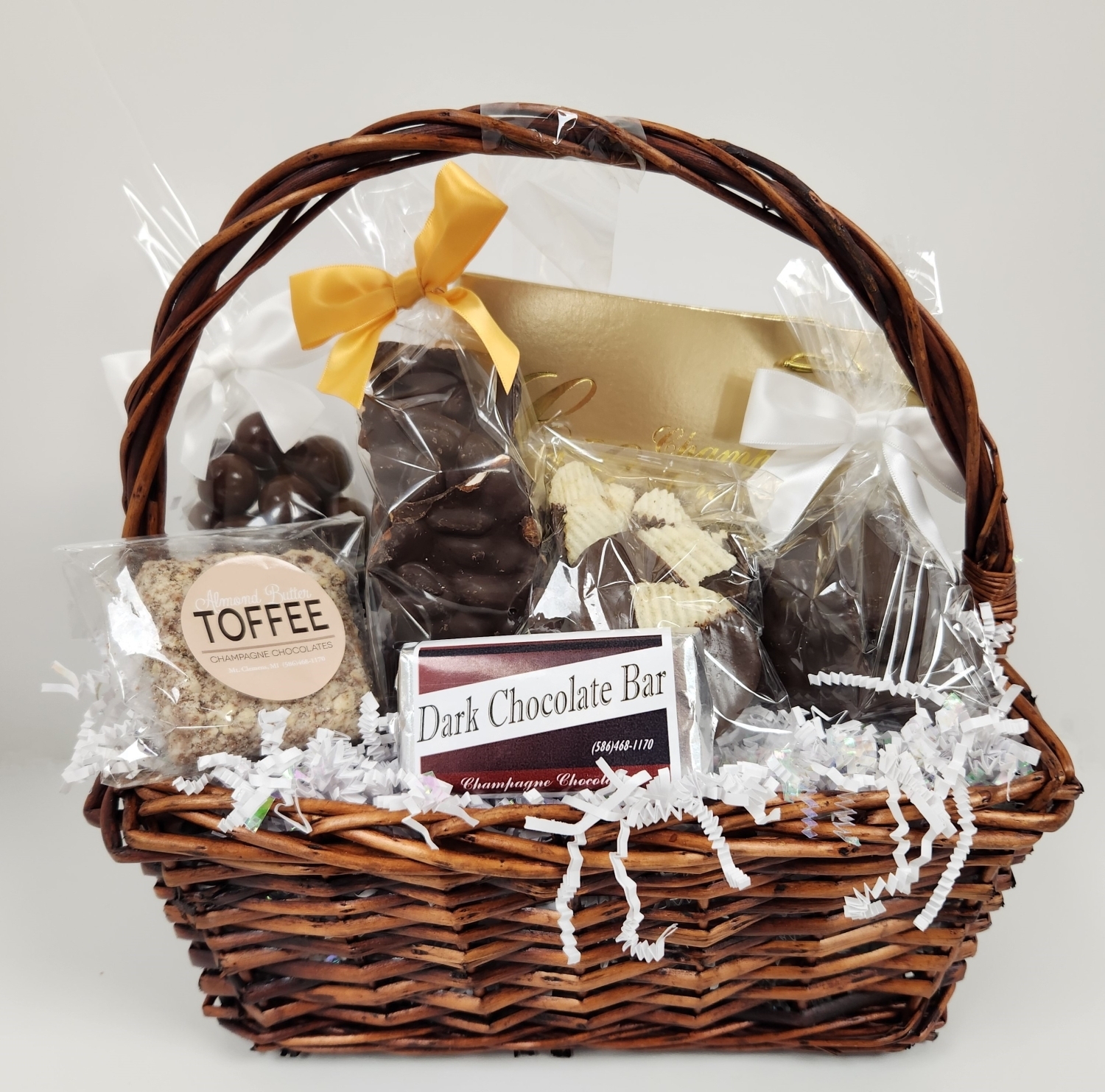
- Water‑Resistant Tape: Prevents moisture ingress. Zip‑Lock Bags: Double‑layer protection for the chocolate itself. Temperature‑Indicating Strips: These change color if the package exceeds a set threshold, giving you an instant visual cue.
Shipping Strategies
Selecting the Fastest Carriers
Speed is king when it comes to keeping chocolate cold. Choose carriers that offer:
- Same‑Day or Next‑Day Delivery: Minimizes exposure time. Temperature‑Controlled Warehouses: Some carriers have refrigerated hubs. Real‑Time Tracking: Allows you to monitor the package’s journey.
Timing Your Shipment
When you ship matters just as much as how you ship.
- Avoid Peak Heat Hours: Ship early in the morning or late in the evening to reduce temperature spikes. Seasonal Considerations: During summer, choose carriers with the fastest routes and avoid routes that pass through hot climates.
Tracking and Monitoring
Modern logistics offers tools that were once the stuff of science fiction.
- Temperature Sensors: Embedded in the package to log data throughout transit. GPS Tracking: Lets you know the exact route and any delays. Automated Alerts: Notify you if the package deviates from the desired temperature range.
Handling the Unexpected
Dealing with Delays
Even the best plans can hit snags. If a delay is unavoidable, keep these steps in mind:
- Contact the Carrier Immediately: Ask for an updated ETA and any available temperature data. Add Extra Insulation: If you can, seal the package tighter and add more ice packs. Inform the Recipient: Let them know to keep the package out of direct sunlight upon arrival.
What to Do if It Warms Up
A melted chocolate is a sad sight, but you can salvage the situation.
- Re‑Freeze Quickly: Place the chocolate in a freezer for 15–20 minutes to set the texture. Wrap in Wax Paper: Prevents the chocolate from sticking to the wrapper. Re‑package with Extra Insulation: Send it back or offer a replacement.
The Sweet Final Touch
Personalizing Your Package
A little personalization can turn a simple delivery into a memorable experience.
- Custom Labels: Add a handwritten note or a branded sticker. Seasonal Themes: Match the packaging to holidays—think pumpkin spice in October, peppermint in December. Gift Cards: Include a small voucher for future orders, turning a mishap into an opportunity.
Feedback Loop
Never underestimate the power of feedback.
- Ask for Reviews: Encourage recipients to share their experience. Track Temperature Logs: Use this data to refine future shipments. Adjust Your Protocols:** Even a single data point can help you tweak your insulation or timing strategies.
> “The only thing sweeter than chocolate is a well‑planned logistics strategy.” – Anonymous
Ever wondered why your chocolate arrives like a puddle? It’s because the secret sauce isn’t just the chocolate itself—it’s the meticulous choreography of packaging, temperature control, and timely delivery. By treating each step as a critical element, you can keep your chocolate as pristine as the day it left the factory.
The Perfect Gift Awaits
In the world of chocolate shipping, success hinges on a few simple principles: understand the science, pack with care, choose the right carrier, and stay prepared for surprises. By following these guidelines, you’ll transform a potential disaster into a delightful surprise that keeps your brand’s reputation as smooth as the chocolate you send. Next time you plan a shipment, remember—every cold chain is a promise of flavor, and every promise is a chance to delight. Happy shipping!
